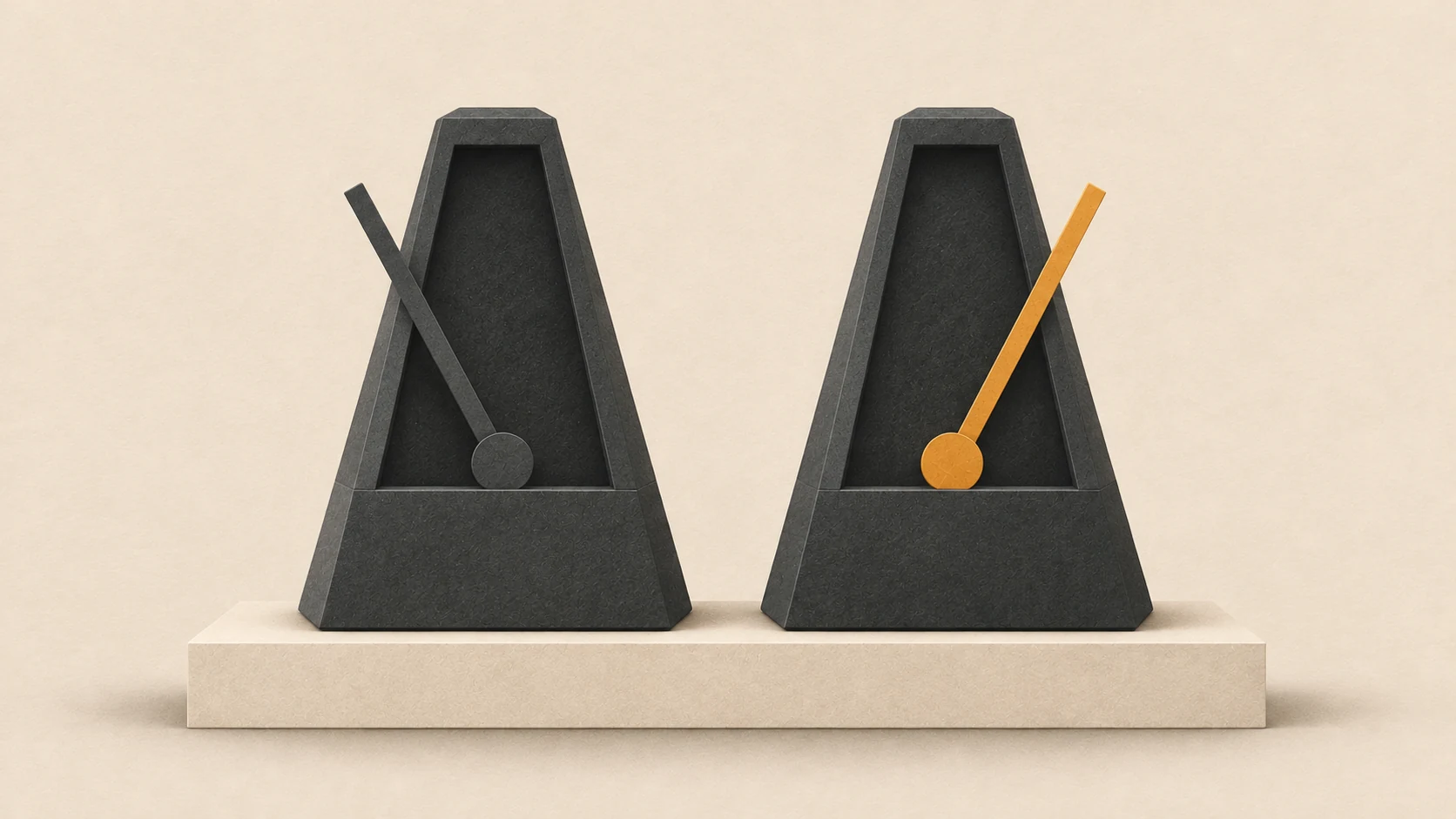
A small software update can make a substantial change to somebody’s working day. The technical release note may not tell them what they now need to do differently.
In a 4 November commentary, Bertrand Duperrin examines a growing gap: AI-enabled working arrangements can change faster than the people using them rebuild their understanding of the job. His argument is about keeping people aligned with an evolving system, rather than treating initial training as the end of adoption. 1
Here is a practical way to bring that concern into an ordinary change process.
Imagine a purchasing assistant that previously prepared a supplier order for a manager to approve. After an update, routine orders go through automatically and the manager sees exceptions. The screen may look familiar, but “I have nothing waiting for approval” now means something different.
We would add a short human-impact note whenever an AI workflow changes:
What can happen now that could not happen before? What does the person responsible need to do differently?
Attach one worked example. Show an ordinary transaction and a case requiring intervention, so the explanation connects to recognisable work. Ask the affected person to describe what they would expect to happen.
That brief conversation can reveal a misunderstanding that a completed training module would leave hidden. It also gives the manager a chance to identify missing information or an impractical expectation before the revised workflow becomes routine.
Keeping a shared view of the workflow current is part of operating it. The person responsible should be able to explain the present version, including when they need to act.
Source and context
1. When the human-AI hybrid system evolves faster than the people working in it — Bertrand Duperrin, 4 November 2026.
Commentary by Bertrand Duperrin, 4 November 2026. The purchasing-assistant scenario and human-impact note in this brief are Andrew’s Intel’s illustrative application of the argument, not a reported company incident.